Benefits of Digital X-Rays in Orthodontics
Digital X-rays offer numerous advantages over traditional X-ray methods, making them an essential tool in modern orthodontics. These benefits include reduced radiation exposure, faster image processing, and enhanced image quality, which collectively contribute to a more efficient and safer patient experience.
For instance, digital X-rays can produce high-resolution images that allow orthodontists to detect issues more accurately and plan treatments effectively. Additionally, the immediate availability of images helps in streamlining consultations and treatment planning, ultimately leading to better patient outcomes.
How Digital X-Rays Work
Digital X-rays utilize electronic sensors to capture images of the teeth and jaw, replacing traditional film-based X-rays. This technology converts X-ray energy into digital data, which is then processed and displayed on a computer screen for immediate analysis.
This method not only speeds up the imaging process but also minimizes the need for retakes, as images can be adjusted for clarity on-screen. As a result, patients spend less time in the chair, and orthodontists can make quicker, informed decisions regarding treatment.
Patient Experience with Digital X-Rays
Patients often report a more comfortable experience when undergoing digital X-ray procedures compared to traditional methods. The process is less invasive, and the reduced radiation exposure alleviates concerns regarding safety.
Moreover, the ability to view images in real-time allows patients to engage in their treatment discussions actively, as they can see their dental conditions and understand the proposed orthodontic plans more clearly. This transparency fosters trust between patients and their orthodontists.
Comparing Digital X-Rays to Traditional X-Rays
When comparing digital X-rays to traditional X-rays, the differences are striking. Digital X-rays require significantly less radiation, making them a safer option for patients of all ages, especially children who are more sensitive to radiation exposure.
Additionally, digital X-rays provide immediate results, eliminating the wait time associated with developing film. This efficiency not only enhances the workflow in orthodontic practices but also improves patient satisfaction, as they receive timely feedback on their dental health.

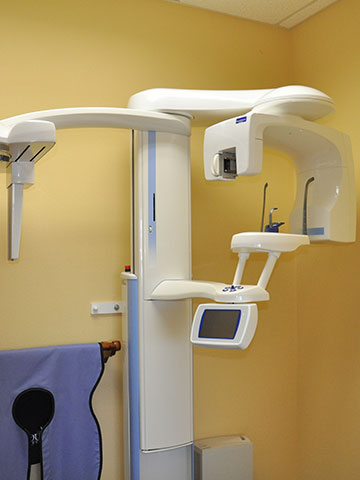 Using the most advanced orthodontic technology possible is just as important as staying up-to-date on the latest treatment techniques. Because our practice is dedicated to providing you with the safest and most convenient treatment options available, we utilize advanced digital X-ray technology in our office.