What is a Palatal Expander?
A palatal expander is an orthodontic appliance designed to gradually widen the upper jaw. This treatment is commonly recommended for children and adolescents whose upper jaw is too narrow to accommodate all of their permanent teeth or to correct a crossbite, where upper teeth fit inside the lower teeth.
The expander works by applying gentle pressure to the roof of the mouth, specifically on the palatine bone. This pressure encourages the two halves of the palate to separate and fuse over time, creating more space. The expansion process is controlled by the patient or their parents through a special key that is turned periodically.
How to Turn a Palatal Expander
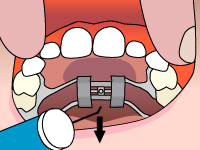
Turning a palatal expander involves a precise, step-by-step process to ensure effective and safe expansion of the upper jaw. Typically, a special key is used to activate the device, which is inserted into a small hole in the center of the expander. A gentle turn of the key in the designated direction will activate the expansion mechanism.
The frequency and direction of the turns are determined by your orthodontist, Dr. Jacklyn Kurth or Dr. Laura Chew. It's crucial to follow their specific instructions precisely, as over-turning or incorrect turning can lead to discomfort or unintended consequences. After each turn, you may notice a slight gap appearing between your front teeth, which is a normal sign that the expander is working.
Signs Your Palatal Expander Needs Adjustment
Several indicators suggest that your palatal expander may require an adjustment. The most common sign is the appearance or widening of a gap between your upper front teeth, known as a diastema. This gap signifies that the palatal expansion is progressing as intended. You might also experience a feeling of pressure or tightness in your upper jaw or around your cheekbones.
Other signs include increased difficulty speaking or eating temporarily, or a slight discomfort that usually subsides within a few hours after an adjustment. If you are unsure whether an adjustment is needed or if you experience persistent pain or unusual symptoms, it is essential to contact Jacklyn Kurth Orthodontics promptly to consult with your orthodontist.
What to Expect After Turning Your Expander
After turning your palatal expander, you can anticipate some temporary sensations. A feeling of pressure or fullness in the roof of your mouth and across your upper jaw is common. You might also experience mild discomfort or soreness in your teeth and jaw, which is a normal part of the expansion process. Many patients notice a small gap forming between their front teeth, which is a positive indication that the expander is effectively widening the upper jaw.
These sensations typically subside within a few hours to a day after the adjustment. To manage any discomfort, over-the-counter pain relievers like ibuprofen or acetaminophen can be effective. It's also advisable to stick to softer foods for a day or two after an adjustment to minimize stress on the expander and your teeth. If the discomfort is severe or persists for more than a couple of days, please reach out to our office.

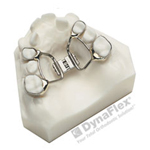 The palatal expander “expands” (or widens) your upper jaw by putting gentle pressure on your upper molars each time an adjustment is made. The animation below will instruct you about when and how to adjust your expander. When you achieve the desired expansion, you will wear the appliance for several months to solidify the expansion and to prevent regression.
 Adjusting the palatal expander
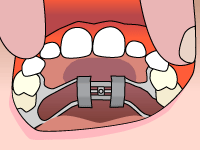 Step 1
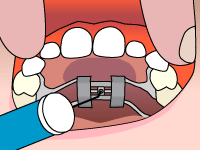 Step 2
 Step 3
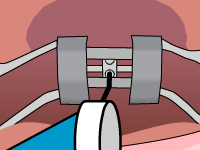 Step 3
 Step 4